
If you’re running a safari operation out of Arusha, Moshi, Dar es Salaam, or Zanzibar, you’ve probably already noticed that most website pricing guides online are written for a generic small business audience, not for someone selling a $3,000 per person Serengeti itinerary to a guest in Chicago or Munich who is deciding between you and four other operators before they’ve ever spoken to a human. Tanzania’s safari market has its own competitive shape, and the cost of a website that actually performs in it is different from what a general web design quote will tell you.
Here’s a straight answer, built around what Tanzania specifically demands.
Why Tanzania Is a Different Market to Price For
Tanzania’s safari industry runs on a small number of extremely high value, extremely well researched bookings rather than high volume, low ticket traffic. A guest planning a Serengeti migration safari or a Kilimanjaro climb typically spends weeks comparing operators before reaching out, reading reviews, comparing itineraries, and checking whether an operator is a genuine specialist or a reseller repackaging someone else’s ground arrangements.
That buyer behaviour changes what a website needs to do. It’s not competing to be found first. It’s competing to be trusted last, at the exact moment a guest narrows five open tabs down to one enquiry. A site built without that in mind, however nice it looks, will lose that moment to a competitor who answers the guest’s real questions: which parks, which season, which camps, and why this operator specifically knows the ground better than the next one.
What Drives Cost in the Tanzania Market Specifically
1. Whether You’re Positioned as a Specialist or a Generalist
Tanzania has a genuine cluster of Tanzania-only specialists, Serengeti- and Kilimanjaro-focused operators who don’t try to also cover Kenya, Uganda, and Botswana on the same site. That specialist positioning needs to be obvious within seconds of landing on the homepage, because it’s exactly what a discerning guest is screening for. A generalist template that could describe any East African operator does not do this, no matter how polished it looks.
Cost impact: Building genuine specialist positioning, park level content depth, migration timing detail, and route comparisons for Kilimanjaro typically adds $800 to $2,000 over a generic template build, because it requires real content development, not just design.
2. Migration and Seasonal Complexity
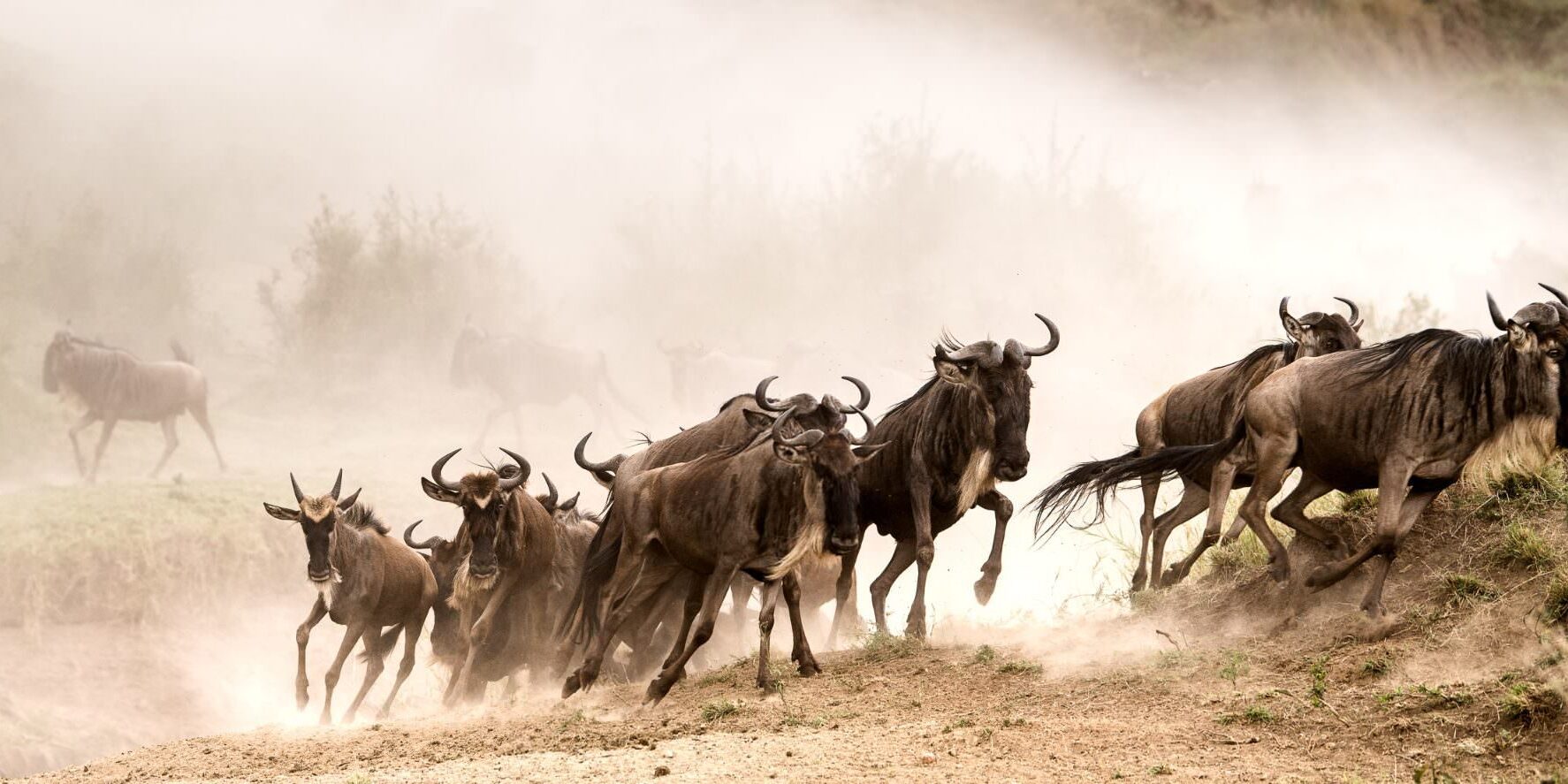
The Great Migration alone is a content and structural challenge most website builders underestimate. Guests need to understand where the herds are likely to be in their travel month, which camps put them closest to the action, and how that shifts the itinerary and the price. A static “book now” page cannot answer this. It needs a proper seasonal or migration tracking structure, built into the site rather than bolted on as a blog post.
Cost impact: A functional migration or seasonal calendar tool, even a relatively simple one, typically runs $400 to $900 depending on how interactive it needs to be.
3. Kilimanjaro Trekking Content, If You Offer It
If your business includes Kilimanjaro climbs alongside safaris, that’s effectively a second product line with its own buyer journey: routes, acclimatisation days, gear, fitness expectations, and success rates. Treating it as an afterthought on a general safaris page under-serves a guest who is making a genuinely different decision to a game drive booking.
Cost impact: Properly built trekking content and route comparison pages typically add $600 to $1,500, depending on how many routes and how much detail is required.
4. TATO Membership and Local Credibility Signals
Guests booking a Tanzania safari, particularly higher spending Western travellers, actively look for trust signals specific to the market: TATO membership, Tanzania Tourist Board recognition, direct guide credentials, and reviews from travellers who visited the same parks you specialise in. These need to be built into the site’s structure, not left as a logo dropped into a footer.
Cost impact: Minimal on its own, usually folded into the base build, but it does add a half day to a day of content and structural work to place these signals where they actually influence a decision.
What a Tanzania Safari Website Actually Costs in 2026
Starter: $1,000 to $2,000
What’s included: A clean, professional presence covering your safaris, destinations, and a working enquiry form. Suitable for an operator just establishing a credible digital presence, without deep migration tracking, trekking content, or conversion architecture built around a specialist positioning.
The honest limitation: This tier will look presentable, but it won’t do the specific work of winning a guest away from a better-positioned Tanzania specialist competitor. It’s a starting point, not a growth engine.
Professional: $3,000 to $6,000
What’s included: Custom design built around specialist positioning, proper destination and park level content, a migration or seasonal guide, conversion-focused itinerary pages, mobile optimisation, and SEO foundations targeting the specific long tail searches your guests are actually running, such as “best time for Serengeti migration crossing” or “Kilimanjaro route comparison.”
Best for: Established operators who want their website to do real work in a genuinely competitive, well-researched market, rather than simply exist as a digital brochure.
Premium: $7,000 to $12,000+
What’s included: Everything in the Professional tier, plus custom interactive tools such as a full migration tracker, trekking route comparison builder, multi-day itinerary visualisation, and deeper content architecture across every destination and park you operate in. This is the tier built for operators running a genuinely large, multi-region catalogue.
Best for: Operators positioning at the top of the market, competing directly for the highest value, most heavily researched bookings in the region.
| Starter | Professional | Premium | |
|---|---|---|---|
| Cost | $1,000 to $2,000 | $3,000 to $6,000 | $7,000 to $12,000+ |
| Specialist positioning | Minimal | Built in | Fully developed |
| Migration/seasonal content | Not included | Included | Interactive tracker |
| Best for | Establishing a presence | Competing seriously | Leading the category |
What Ongoing Costs Look Like
A website is not a one-time cost, and this matters more in Tanzania than it might elsewhere, because migration timing content, park information, and itinerary pricing need updating as conditions genuinely change season to season.
- Hosting and domain: $150 to $400 per year
- SEO and content maintenance: $400 to $1,200 per month, if you want the site actively climbing rankings rather than sitting static
- Seasonal content updates: Migration positioning, camp availability, and pricing should be reviewed at minimum twice a year
Red Flags Specific to This Market
The agency treats Tanzania as interchangeable with Kenya. These are different markets with different buyer expectations, different competitive sets, and different seasonal patterns. A site built from a generic East Africa template, with country names swapped, reads as exactly that to a discerning guest.
No mention of migration timing anywhere in the proposal. If an agency pitching you a Tanzania safari website hasn’t asked how you handle migration timing content, they haven’t done the work of understanding what your actual guests are trying to figure out before they book.
Kilimanjaro treated as a single afterthought page. If trekking is part of your business, it deserves the same content depth as your safaris, not a single page bolted onto the navigation.
What This Looks Like in Practice
Exclusive Wilderness Trails, based in Arusha and focused entirely on private, Tanzania-only family safaris, needed a site built around one very specific positioning: no shared vehicles, no group departures, everything private. That’s a narrow, deliberate specialism, and the site is built to make it obvious from the first scroll, including a month-by-month migration tracker that answers one of the most common questions a prospective guest carries into their research, without them ever needing to type it into a search bar or ask directly. The build also treats Kilimanjaro as its own dedicated content area, with routes compared honestly rather than folded into a single generic trekking page.
That specificity- Tanzania only, private only, migration tracked properly- is exactly the kind of positioning that a generic template cannot deliver, no matter how much is spent on it.
FAQ
Is a Tanzania-specific website actually necessary, or will a general East Africa site do? If Tanzania is your primary or only market, yes, it’s necessary. Guests comparing Tanzania specialists are actively screening for operators who don’t spread their expertise thin across five countries.
Do I need a migration tracker if I only run classic safaris, not migration-focused ones? Not necessarily, but you do need clear content addressing where the herds typically are during common travel months, since it’s one of the first things a prospective guest is trying to establish, migration-focused itinerary or not.
Should pricing be shown in USD or Tanzanian shillings? Nearly all Tanzania safari bookings from international guests are quoted and paid in USD, and your site should reflect that as the default, with any local currency context handled separately if you also serve a domestic or regional market.
How much of this cost is design versus content? For a genuinely competitive Tanzania safari website, expect content development, park pages, migration content, and itinerary detail to represent close to half the total project cost. This is a content-heavy market, not a purely visual one.
Will TATO membership or similar credentials actually affect enquiry rates? Yes, particularly with Western guests who have learned to be cautious about which operators are genuine ground operators versus resellers. Displaying this clearly, in context, is a meaningful trust signal, not a formality.
Want an Honest Look at What Your Tanzania Website Actually Needs?
Book a free 30-minute strategy call. We’ll look at your current site or your plans for a new one, and tell you honestly what it would take to compete for the guests you actually want.
No pitch. Straight answers.
Book Your Free Strategy Call | WhatsApp Us
Free call. No obligation. Safari and travel industry expertise.